
🌟 How AI is Changing the Way Kids Learn
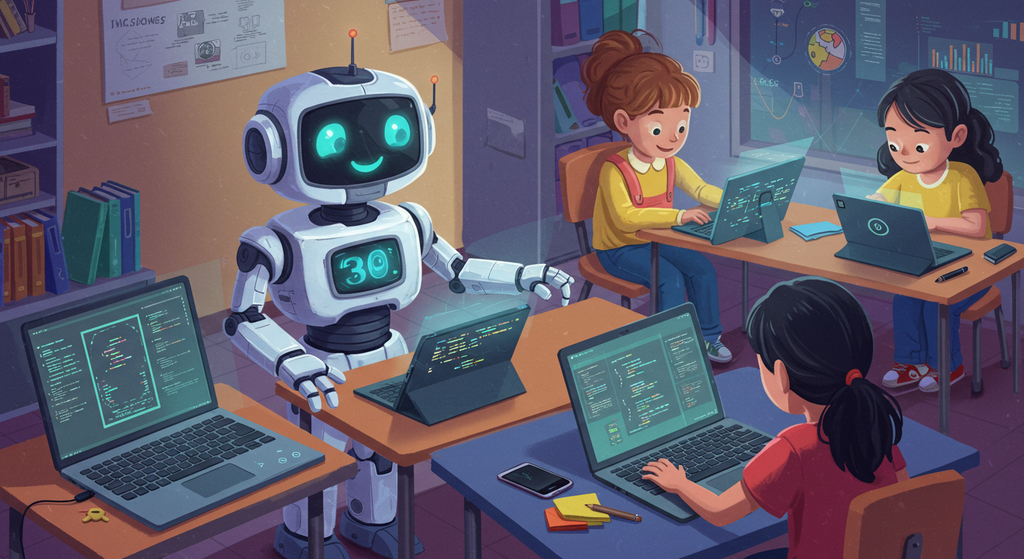
Artificial Intelligence (AI) is no longer just a futuristic concept found in movies or high-tech laboratories — it's here, and it's shaping how we live, work, and most importantly, how we learn. As AI becomes more integrated into our daily lives, it presents new opportunities and challenges for children. At KidsKod, we're passionate about helping children not just consume technology but understand and create with it. This article explores how AI is transforming children's education, its benefits, risks, and the tools available to help kids explore AI safely and meaningfully.
🤖 What Is AI?
AI, or Artificial Intelligence, refers to machines or software systems designed to perform tasks that typically require human intelligence. This includes understanding language, recognizing images, solving problems, and learning from data. From digital assistants like Siri and Alexa to recommendation engines on Netflix and YouTube, AI is already deeply embedded in kids’ lives — whether they realize it or not.
But AI is more than just a cool gadget or tool. It represents a fundamental shift in how we interact with information. For children, this means new ways to engage with learning material, create content, and even build their own intelligent systems. With the right guidance, AI can empower kids to be curious, independent learners who are prepared for the digital future.
📚 How AI Helps Kids Learn
1. Personalized Learning
Every child learns at a different pace and in different ways. Traditional classrooms often struggle to accommodate all learning styles, but AI can step in to bridge the gap. Personalized learning systems analyze a student’s progress and adjust the content accordingly. For example, if a child is struggling with math fractions, the AI can provide additional practice, tutorials, or alternative explanations tailored to that student's level.
Apps like DreamBox, Khan Academy, and Smartick use AI to offer adaptive lessons that help children learn more effectively. By identifying strengths and weaknesses in real-time, these systems empower teachers and parents to better support individual learning journeys.
2. Creative Expression
One of the most exciting aspects of AI in education is its potential to foster creativity. Children can now use AI-powered tools to generate digital artwork, write interactive stories, compose music, and even design simple games. Tools like DALL·E and Craiyon generate images from text prompts, allowing kids to turn imagination into visual content with ease.
Story generation platforms like Storybird or ChatGPT-based assistants can help children craft narratives, offering structure and inspiration while allowing for free expression. AI doesn’t replace creativity — it enhances it by giving children new ways to express themselves.
3. Language Acquisition
AI is also transforming language learning. Applications like Duolingo, Babbel, and Rosetta Stone use AI to personalize lessons, track progress, and improve pronunciation using speech recognition. These apps keep kids motivated by gamifying the learning experience and providing immediate feedback.
AI voice assistants can also simulate conversations in different languages, helping children practice vocabulary and sentence structures in a safe and engaging way. This kind of interaction builds confidence and reinforces learning through repetition and real-life application.
4. Developing Coding Skills
Coding is a critical skill in the AI era, and AI-based platforms are making it easier than ever for kids to start programming. Websites like Code.org, Scratch, and Tynker introduce children to fundamental programming concepts in a fun, visual way. More advanced learners can use platforms like Machine Learning for Kids, where they can train basic AI models to recognize text, images, or sounds.
These platforms teach not just coding, but also the logic behind how machines learn, helping children understand the underlying principles of AI. Building their own AI models — even simple ones — gives kids a sense of ownership and a deeper appreciation for the technology shaping their world.
🔐 Safe Use of AI for Children
As with any technology, AI must be used responsibly. It’s essential that children understand the limits of AI and that adults provide guidance and oversight. Here are some best practices:
- Parental Controls: Use safety settings and filters to control what content AI tools can access or generate.
- Transparency: Talk to children about how AI works and why it’s important to question and verify information.
- Screen Time: Balance AI use with offline activities like reading, playing, and social interaction.
By teaching children to use AI mindfully, we prepare them to be critical thinkers in a digital world full of information.
🎮 Top AI Tools Kids Can Try
- Machine Learning for Kids: Teaches AI through fun, guided projects using Scratch or Python.
- Teachable Machine: Allows kids to train AI models to recognize images, sounds, and gestures.
- Scratch: Introduces programming with block-based coding and basic logic.
- AI Drawing Tools: Turn sketches into animations or generate images with tools like Craiyon.
- Chatbots: Kids can build simple chatbots that answer questions or play games.
🎥 Watch: AI Explained for Kids
💡 Final Thoughts
AI is transforming the world, and our children are growing up in an age where understanding technology is just as important as learning to read or write. By giving kids early exposure to AI in a fun, interactive, and educational way, we equip them with the tools they need to thrive in a digital future.
At KidsKod, we believe that every child has the potential to be a creator, not just a consumer of technology. Whether they want to build robots, develop apps, write stories, or solve real-world problems, AI can be a powerful ally in their learning journey.

0 Comments